
A Complete Maintenance Guide for Japanese Swords
A katana is not just a sword. It is a precision instrument forged from high-carbon steel, which means it will rust if neglected. Unlike stainless steel blades, carbon steel requires active maintenance to stay sharp, bright, and free from corrosion. The good news is that proper katana maintenance is straightforward, takes less than ten minutes, and keeps your blade in exceptional condition for years, even decades.
This guide covers everything you need to know about how to clean a katana: the tools required, the step-by-step cleaning process, how often to do it, and how to store your blade correctly between sessions. The same process applies to wakizashi and tanto blades.
What You Need, The Katana Maintenance Kit
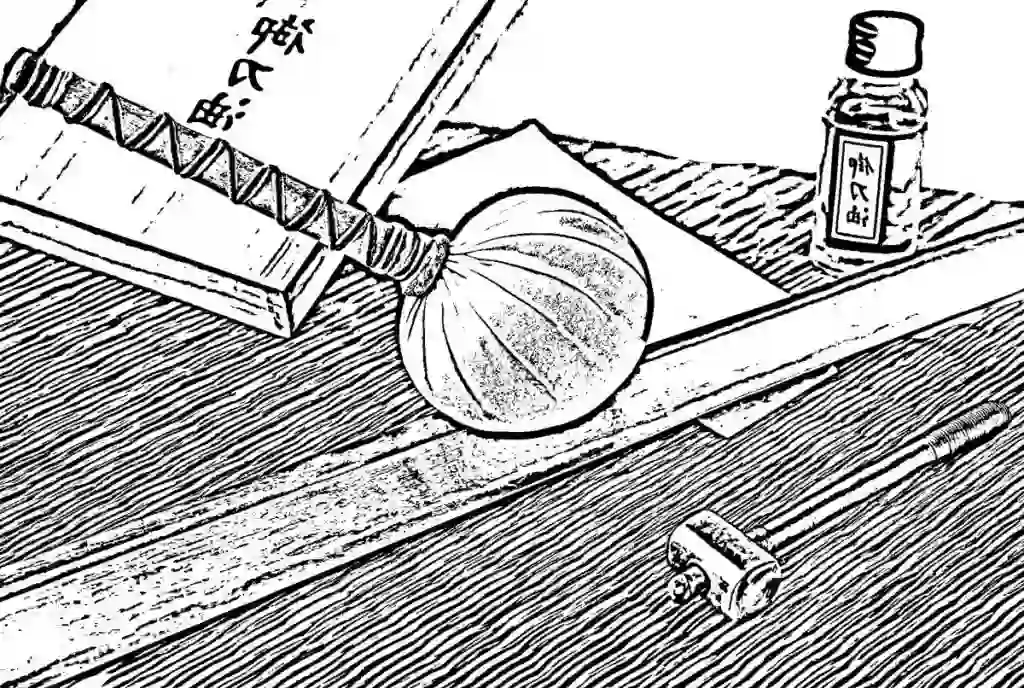
Traditional Japanese sword care uses a small set of specialised tools. You can find these individually or as a complete katana maintenance kit:
- Nuguigami (wiping paper or cloth): a soft, lint-free rice paper or cotton cloth used to wipe oil, dust, and residue from the blade. Always use a clean piece, because any abrasive particle trapped in the cloth will scratch the polished surface permanently. Never use a cloth that has touched anything abrasive or dirty.
- Uchiko ball: a silk ball filled with very fine stone powder, used to lightly polish the blade surface and lift old oil before re-oiling. The powder acts as a mild abrasive that removes oxidation and residue without scratching the steel. Tap it gently against the flat of the blade, never drag it, because dragging concentrates the abrasive action and risks scratching.
- Choji oil: the traditional Japanese sword oil, made from 99% mineral oil and 1% clove oil. It forms a thin protective barrier on the steel surface that blocks oxygen and moisture, the two elements that cause rust. If unavailable, pure mineral oil, 3-in-1 oil, or light machine oil are acceptable substitutes. Avoid cooking oils, baby oil, or organic oils: these oxidise over time, become sticky, attract dust, and can actually accelerate corrosion rather than prevent it.
- Oiling cloth: a soft, lint-free cloth used to apply choji oil evenly across the blade surface. A dedicated cloth ensures you always apply a clean, consistent coat.
- Mekuginuki (peg remover): a small brass tool used to remove the bamboo mekugi pegs that secure the handle to the tang, for deep cleaning. Not required for routine maintenance.
How Often Should You Clean Your Katana?
- After every use: cutting practice deposits moisture, organic material, and microscopic debris on the blade. Left in contact with carbon steel, these begin the oxidation process within hours. Always wipe and re-oil after use.
- After touching the blade with bare hands: human sweat contains lactic acid, salt, and fatty acids. These are mildly corrosive to carbon steel and begin etching the surface within minutes of contact. Even a brief touch with bare fingers is enough to leave a fingerprint-shaped rust mark if not cleaned promptly. Always handle the blade by the tsuka and saya, and clean immediately if the blade is touched.
- Every 3 to 4 months for display pieces: even blades that are never drawn lose their oil coating over time as it evaporates and oxidises. Dust also settles into microscopic surface imperfections and holds moisture against the steel. A full clean every few months keeps a display katana pristine.
- More frequently in humid climates: carbon steel rusts through an electrochemical reaction between iron, oxygen, and water. High humidity dramatically accelerates this reaction by providing the water molecule the reaction needs. In damp environments, inspect and re-oil your blade monthly.
Step-by-Step Katana Cleaning Guide
Choose a clean, well-lit surface with good ventilation. Lay down a soft cloth or mat to protect the blade if you set it down. Remove distractions. Make sure children are not present.
Hold the saya (scabbard) in your left hand with the edge facing upward. Use your right hand to draw the blade slowly and deliberately, keeping the edge pointing away from you at all times. Set the saya aside.
Fold a piece of nuguigami or a lint-free cloth into a pad. Hold the tsuka (handle) in your left hand with the edge pointing away from you, and place your thumb against the spine of the blade for control. Wipe from the habaki (blade collar) toward the kissaki (tip) in one smooth motion. Never wipe toward you. Repeat with a clean section of cloth until no oil, dust, or residue remains. If your blade has a bo-hi (groove), pinch the cloth to clean inside it.
For a thorough clean, gently tap the uchiko ball along the flat of the blade to release a fine layer of polishing powder. Then wipe it off using nuguigami, following the same motion as step 3. The powder lifts old oil, light surface residue, and minor oxidation. Use sparingly, uchiko is abrasive and should not be used aggressively or on a newly polished blade.
Hold the blade at an angle to the light and inspect the full length for rust spots, scratches, or chips. Light surface rust appears as small orange or brown spots. If you find any, address it now before oiling (see the rust section below). Chips or significant damage should be seen by a professional sword polisher.
Place 2 to 3 drops of choji oil on your oiling cloth. Less is more: a thin, even coat is all you need. A visible pool of oil is too much and will seep into the wooden interior of the saya over time, softening the wood, warping the fit, and eventually damaging the lacquer from the inside. Wipe the oil evenly from habaki to kissaki on both sides of the blade. Include the bo-hi if present. Hold the blade against the light to check for even coverage, every area of steel should have a faint sheen.
Wipe the tsuka (handle) with a dry cloth to remove any dust or sweat from the ito wrapping. If the tsuka is visibly dirty, a barely damp cloth works, but make sure it dries completely before reassembly. For the saya, wipe the exterior with a soft cloth. Occasionally apply a thin layer of furniture wax to maintain the lacquer finish and prevent cracking.
Return the blade to the saya carefully, guiding the habaki into the koiguchi (mouth of the scabbard) and sliding it in with the edge upward. Store horizontally on a katana stand with the edge facing upward. This prevents oil from pooling at the kissaki and prevents the cutting edge from resting against the saya.
How to Deal with Rust on a Katana
Surface rust (small orange or brown spots) is common on carbon steel blades that have been stored without oil or in humid conditions. The sooner you treat it, the easier it is to remove.
- Light surface rust: apply a small amount of choji oil directly to the affected area and leave it for a few minutes to soften the rust. Then use the uchiko ball and nuguigami to gently work the rust away. Repeat if necessary. Finish with a full re-oiling of the blade.
- Stubborn rust spots: a dedicated rust eraser or very fine-grit polishing paper (2000 grit or higher) can be used carefully and sparingly. Work only on the affected area, always following the grain of the steel.
- Deep rust or pitting: this requires professional polishing by a togishi (sword polisher). Do not attempt to remove deep rust yourself, as improper treatment will damage the hamon and the blade surface permanently.
Katana Storage, Keeping Your Blade Safe Between Sessions
- Store horizontally on a katana stand or rack, edge facing upward. Horizontal storage prevents oil from pooling at the kissaki under gravity, which would leave the rest of the blade unprotected. Edge upward prevents the cutting edge from resting against the saya interior, which would progressively dull it.
- Avoid humidity: carbon steel rusts through an electrochemical reaction that requires water to occur. High humidity provides that water continuously, even without visible condensation. Store your katana in a dry room, away from bathrooms, kitchens, and exterior walls. A silica gel pack inside a sword bag absorbs ambient moisture and provides extra protection in humid climates.
- Avoid direct sunlight: UV radiation breaks down the organic compounds in lacquer, causing it to fade, crack, and flake over time. It also degrades the natural fibres in the ito wrapping, making them brittle. Keep your katana out of direct sunlight even when displayed.
- Avoid extreme temperatures: rapid temperature changes cause water vapour in the air to condense on cold surfaces, including your blade. This condensation sits directly on the steel and initiates the oxidation process within hours. Do not store a katana near radiators, air conditioning units, or cold exterior walls.
- For long-term storage: wrap the blade in a clean, lightly oiled cloth before inserting it into the saya, and store it in a sword bag. Check and re-oil every three months, because even sealed storage does not prevent oil from gradually evaporating.
Cleaning a Wakizashi or Tanto
The cleaning process for a wakizashi and a tanto is identical to the katana process above. The only differences are the shorter blade length and, in the case of the tanto, the absence of a curve. The same tools, the same oil, and the same frequency apply. If you own a daisho set (katana and wakizashi together), clean both blades in the same session.
Frequently Asked Questions
What oil should I use to clean a katana ?
Choji oil is the traditional choice, made from mineral oil with a small amount of clove oil for fragrance. Pure mineral oil, 3-in-1 oil, or light machine oil are equally effective alternatives. Avoid cooking oils, baby oil, or any organic oil as these become sticky over time and attract dust and moisture.
How often should I clean my katana ?
After every use and every time you touch the blade with bare hands. For display pieces, a full clean every 3 to 4 months is sufficient. In humid environments, inspect and re-oil monthly.
Can I use WD-40 on a katana ?
WD-40 can be used in an emergency as a rust preventive, but it evaporates quickly and is not suitable for long-term blade protection. For regular maintenance, always use choji oil or mineral oil, which stay on the blade surface much longer.
What is an uchiko ball ?
An uchiko ball is a traditional Japanese sword cleaning tool: a silk ball filled with very fine stone powder. It is tapped gently against the flat of the blade to release polishing powder, which lifts old oil and light residue before re-oiling. It should be used sparingly and never dragged across the blade.
How do I remove rust from a katana ?
Light surface rust can be removed with choji oil, uchiko powder, and gentle wiping. Stubborn rust may require a fine rust eraser or very fine polishing paper. Deep rust or pitting should be addressed by a professional sword polisher (togishi), as improper treatment can permanently damage the blade and hamon.
Can I clean a katana without a maintenance kit ?
Yes. For routine maintenance, a clean lint-free cloth and a bottle of mineral oil are sufficient. The traditional kit (uchiko, nuguigami, mekuginuki) is ideal for a thorough clean but not necessary for basic upkeep after use.
How should I store a katana ?
Store horizontally on a stand or rack with the edge facing upward, in a dry room away from direct sunlight, humidity, and extreme temperature changes. Re-oil every 3 to 4 months for display pieces and after every use for active blades.
Looking for a maintenance kit? We include everything you need in our katana care kit.
Browse our full collection of katanas, wakizashi, and tantos, or read our steel guide to understand how your blade’s steel affects its maintenance needs. Not sure which blade is right for you? Read our buying guide.